|
Whether you are looking for something to do on a sea day on your next round the world voyage or you are simply dreaming about your next cruise holiday, a good book is the perfect escape.
Fiction allows us to travel, even when we can’t be on a cruise! Here are some of the best stories set on cruise ships. Here are some great reads all set on or about cruising. 
0 Comments
Although actually somewhat quieter than 2023, in the year of 2024, the cruise industry will welcome no less than 15 brand new exciting cruise ships, from the world's mainstream cruise operators.
We've saved you the trouble and picked our top five and we think there's something to suit everyone, from families and those young at heart, to the more traditional cruiser. Keep on reading to find out more! 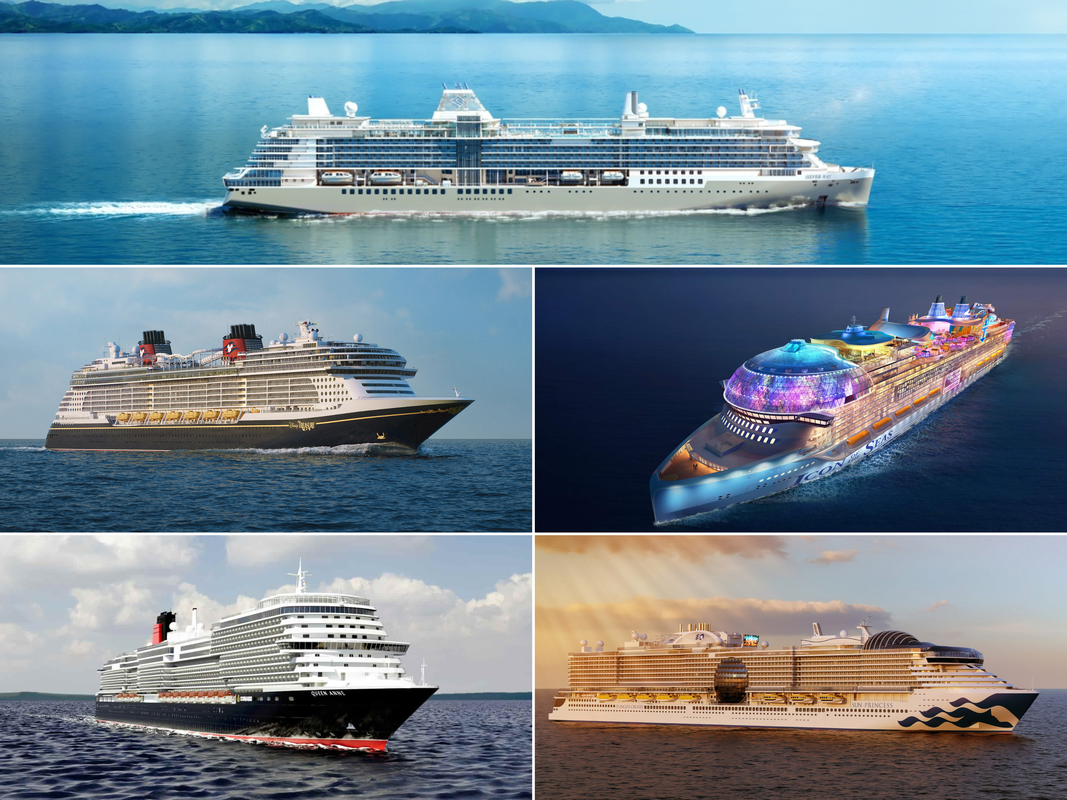
The adverts promise the “warmest welcome at sea” and that’s what I received when I cruised with Ambassador to Antwerp, my first time experiencing a cruise ship.
Here’s how I found cruising on Ambassador’s ship Ambition on a three-night cruise from London, Tilbury. 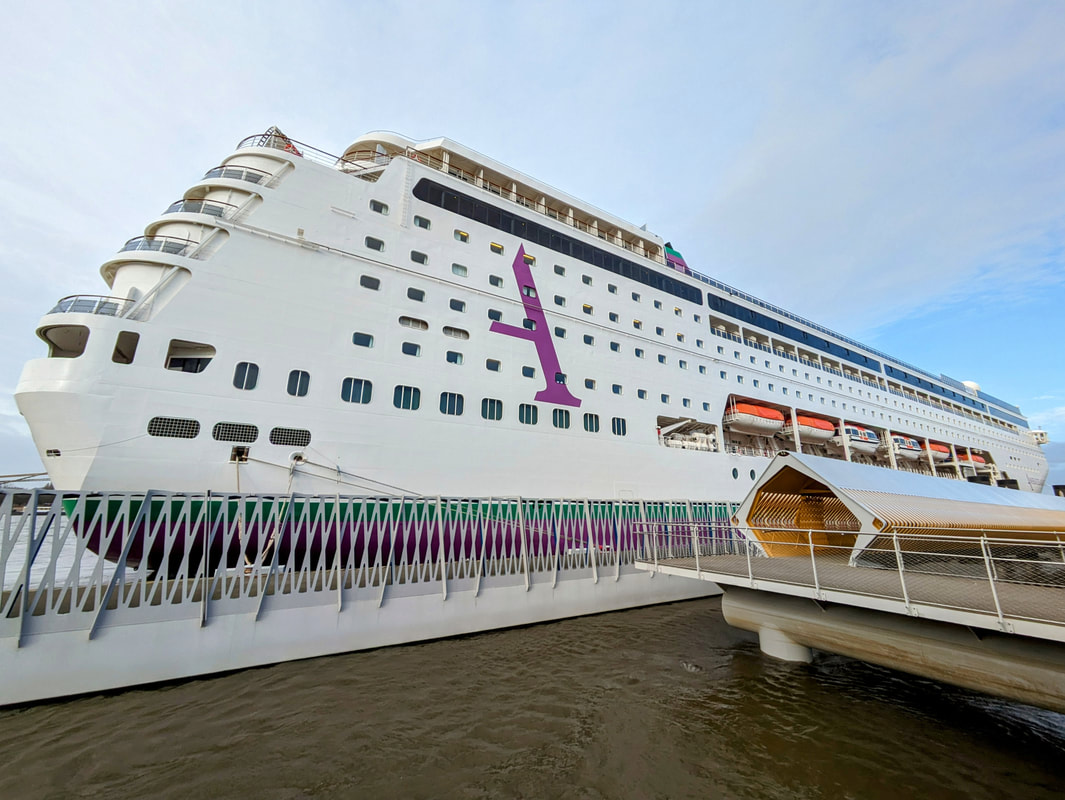
The third biggest city in Belgium, Antwerp is a popular destination for small- to medium-sized cruise ships. After winding your way along the river Scheldt, past all the heavy industry and ports, you will find yourself in the historic city of Antwerp.
The cruise terminal is conveniently located in the heart of the historic city centre. Indeed, you have to walk through the medieval Het Steen castle as you disembark the cruise ship! While some cruises may overnight in Antwerp, others may only stop for the day. Here are some of the things you can get up to in Antwerp when visiting by cruise ship. 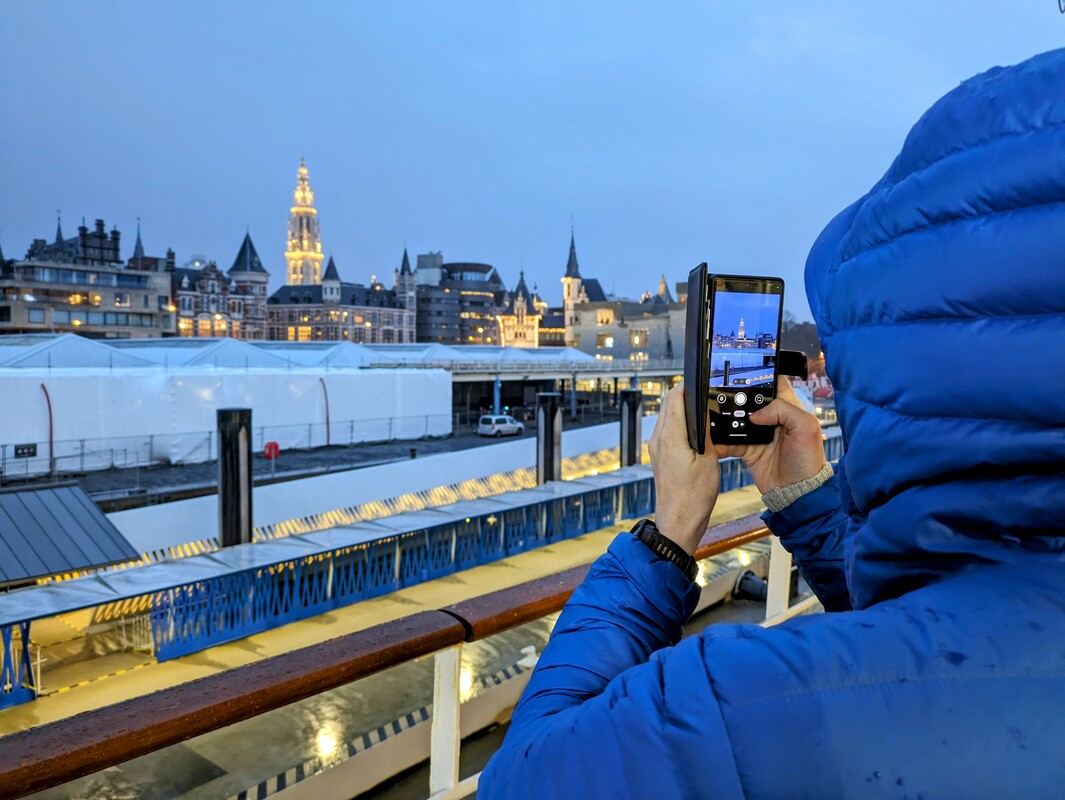
If you're an avid traveller seeking a unique destination, Gibraltar should be on your cruise radar. This charming piece of land, with its stunning landscapes and rich history, offers more than meets the eye.
Gibraltar is a British Overseas Territory found at the southernmost tip of Spain. The tiny city, just 6.7 square kilometres, sits on the Mediterranean and has a rich history and a fascinating appeal as a British city in the sun. Cruising to Gibraltar gets you right into the heart of the city. Whether it’s the famous rock, the monkeys or the cable car, you’ll be sure to find something you love in Gibraltar. Here are five reasons why cruising to Gibraltar should be your next adventure. 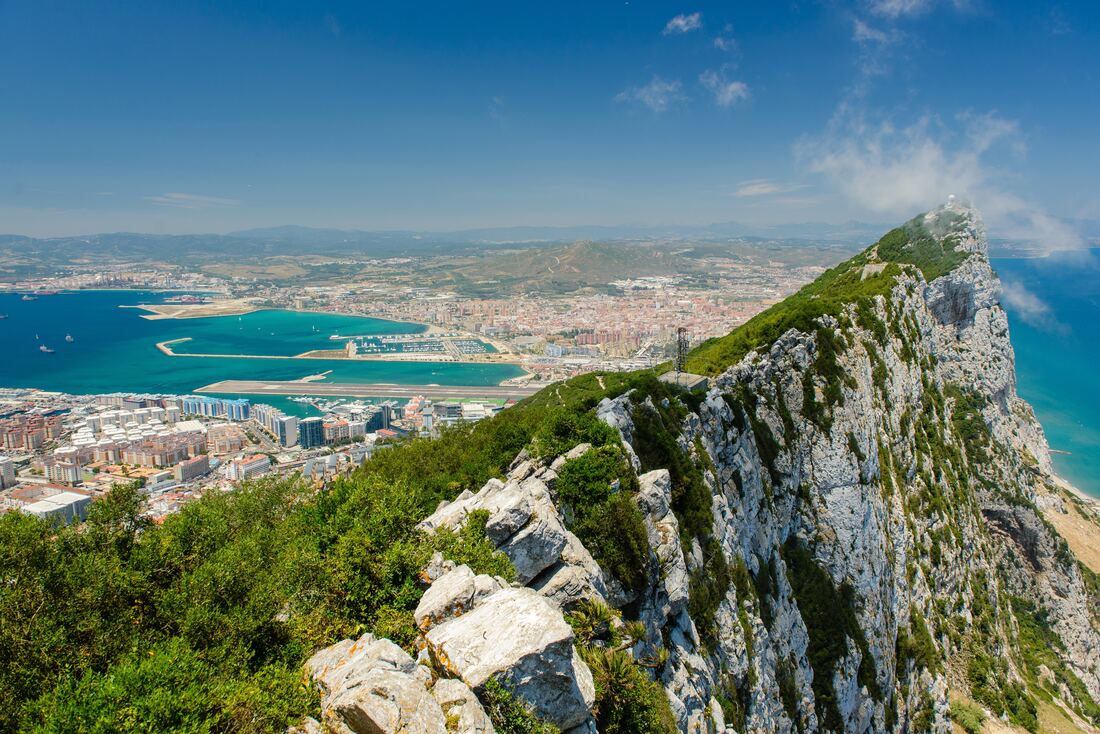
The Panama Canal is one of the most impressive engineering feats in history. It took over 10 years to build and cost the lives of over 25,000 workers.
Today, it is one of the most important shipping lanes in the world, carrying billions of dollars worth of cargo each year. Cruising through the Panama Canal is a truly unique experience that you will never forget. Here are just a few of the reasons why you should cruise the Panama Canal: 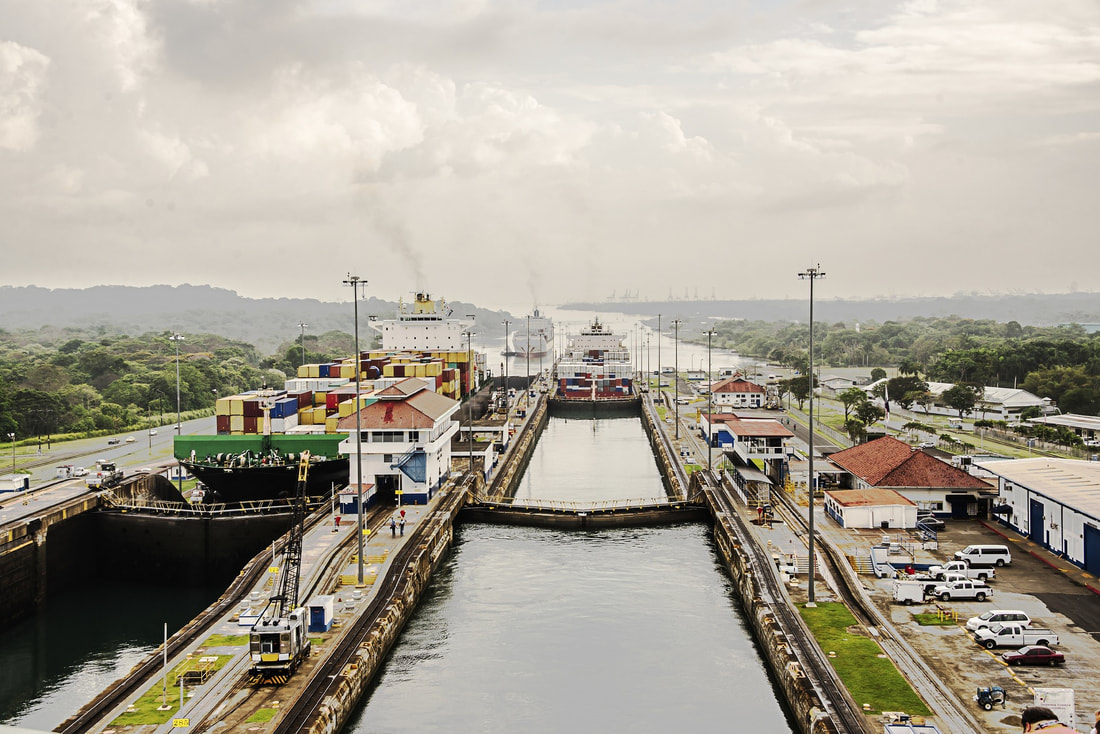
Image by artes2franco from Pixabay
Cruise holidays have many misconceptions, one of the biggest and misleading is that cruises are, and must be, really expensive! If you're a regular cruiser, you'll probably know this isn't always the case.
We caught up with cruise blogger and Youtuber, Emma Le Teace, who is an expert when it comes to cruising on a budget! She's been cruising since she was just 11 years old, and is always finding amazing deals to allow her to cruise to amazing destinations. 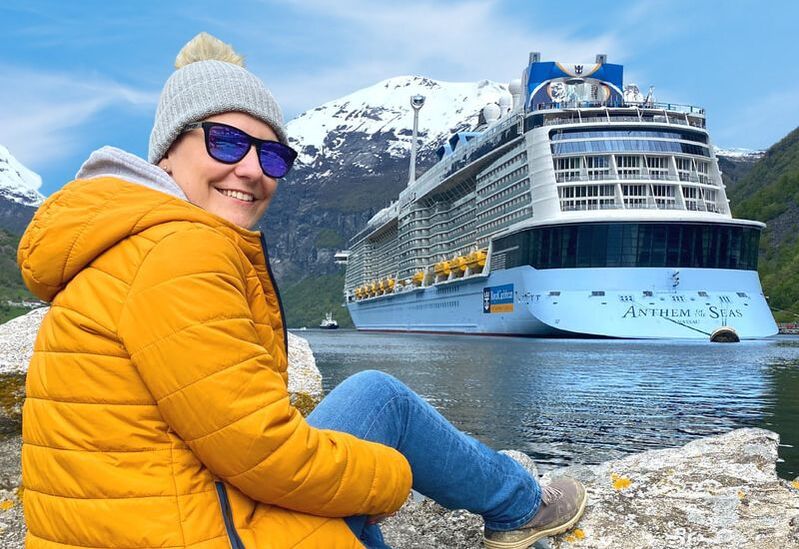
A rogue is defined as a wave whose height is more than twice that of the surrounding waves. Until recent decade, they were thought to be myth, but oceanographers and scientists, as well as shipbuilders, are only now beginning to understand their threat.
Rogue waves have many other names, including freak waves, monster waves, extreme waves, and abnormal waves, among others. Such waves, pose a threat to even the largest vessels. 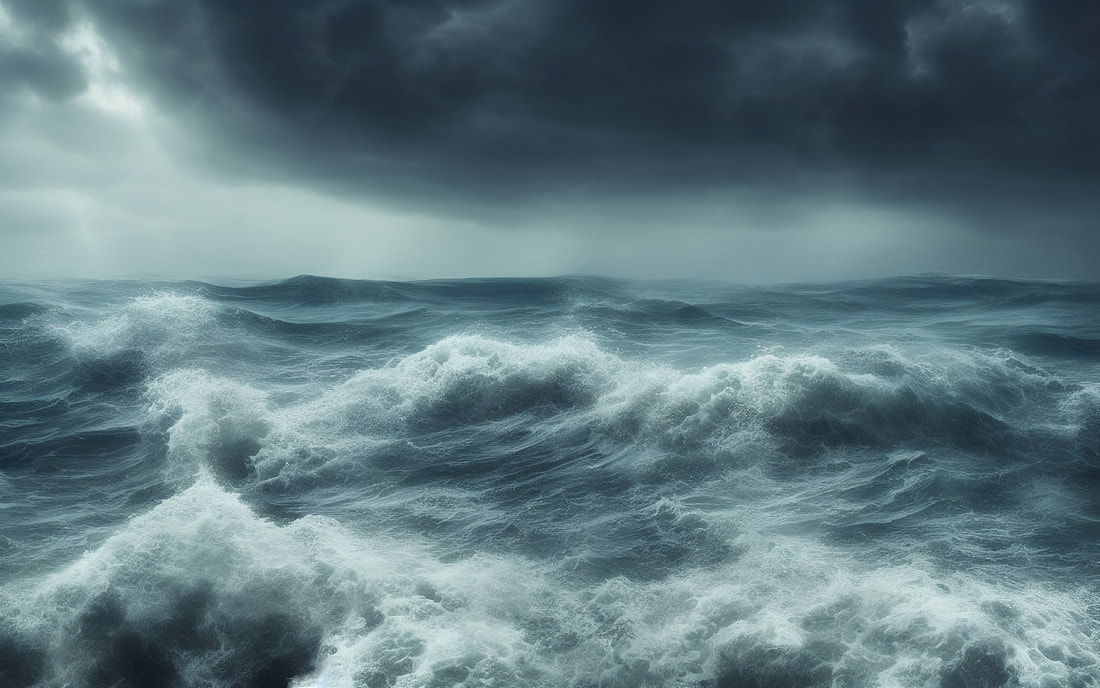
Whether an Australian port forms part of your cruise itinerary or marks your point of embarkation, this vast island holds many ports which showcase some of its natural wonders, rich culture, mouth-watering fare, and abundant wildlife. Australian ports of call offer a banquet of experiences for all tastes and the climate isn’t too bad either. Steph from Cruise with Amber spent 10 months travelling around Australia and in this post, she takes us on a short tour around some of the main Australian ports you’re likely to encounter on a cruise. 
The cruise industry is one of the most innovative sectors in the maritime world, constantly evolving and changing, offering new surprises, even for the most experienced cruiser.
Leading cruise lines continue to listen to their customers' needs and feedback, be that the introduction of new technology, or sailing to more exotic or unusual destinations. 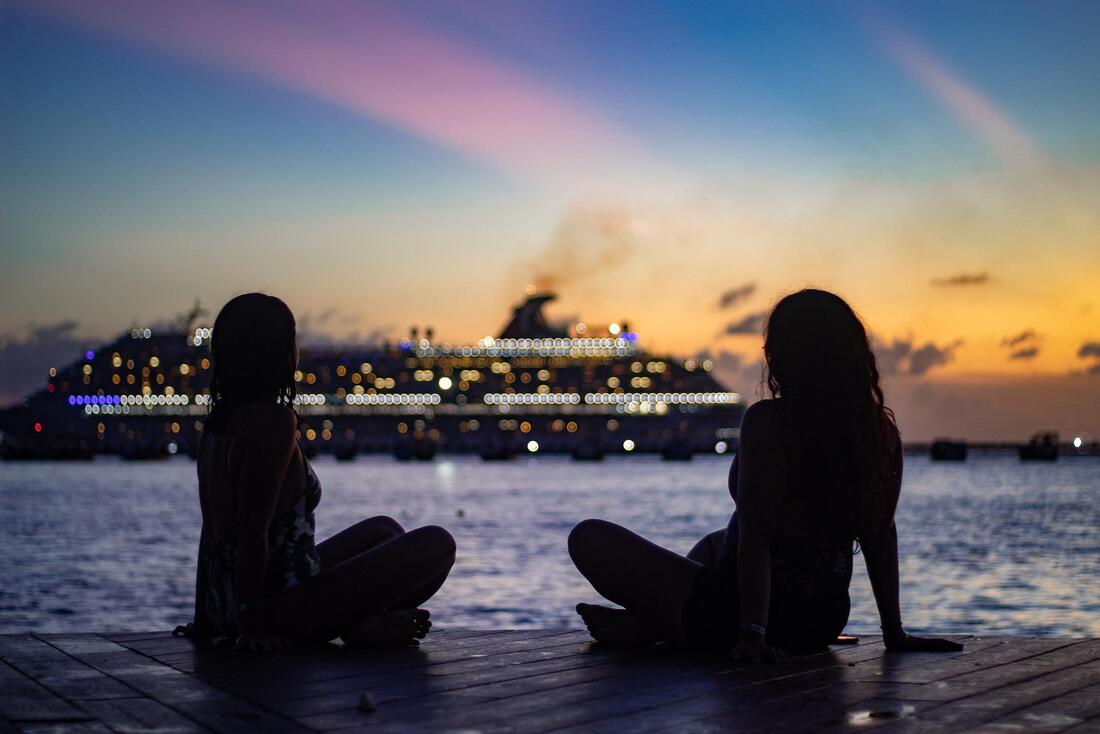
|
Categories
All
|